Peter B.
Jones
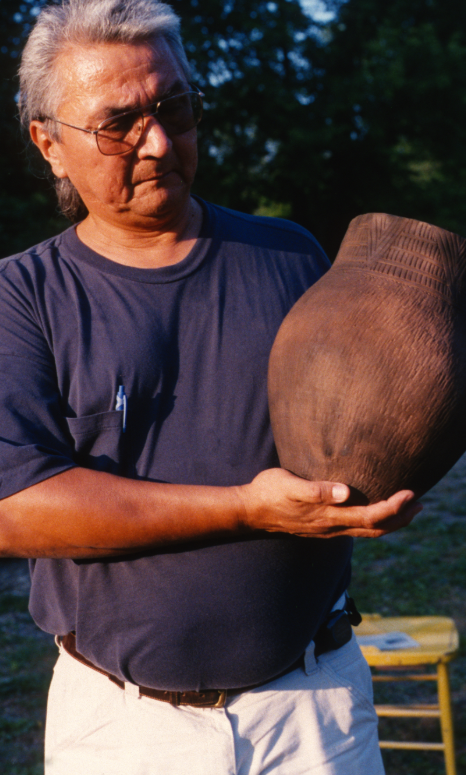
My name is Peter B. Jones. I am an Onondaga potter from the Cattaraugus and Allegany territories of the Seneca Nation of Indians, located in rural Cattaraugus County in the western part of what is today called New York. I studied under Hopi potter Otellie Loloma while attending the Institute of American Indian Art in New Mexico in the 1960s. My pottery is admired and collected by community members, Native American art collectors, and museums across the country and internationally. Reminiscent of early Haudenosaunee pottery, my art directly reflects the issues that have impacted the Haudenosaunee. My work is done in traditional style, pit fired Haudenosaunee pottery. I have conducted countless pottery workshops and classes for schools, community groups, and other organizations.
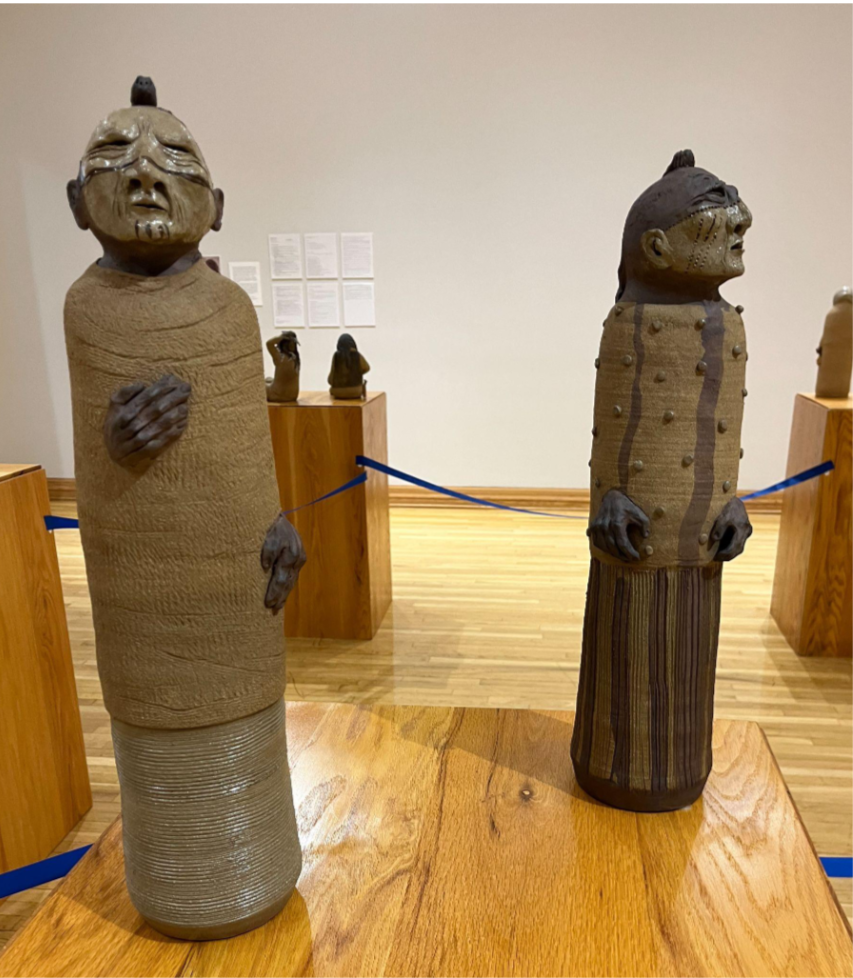
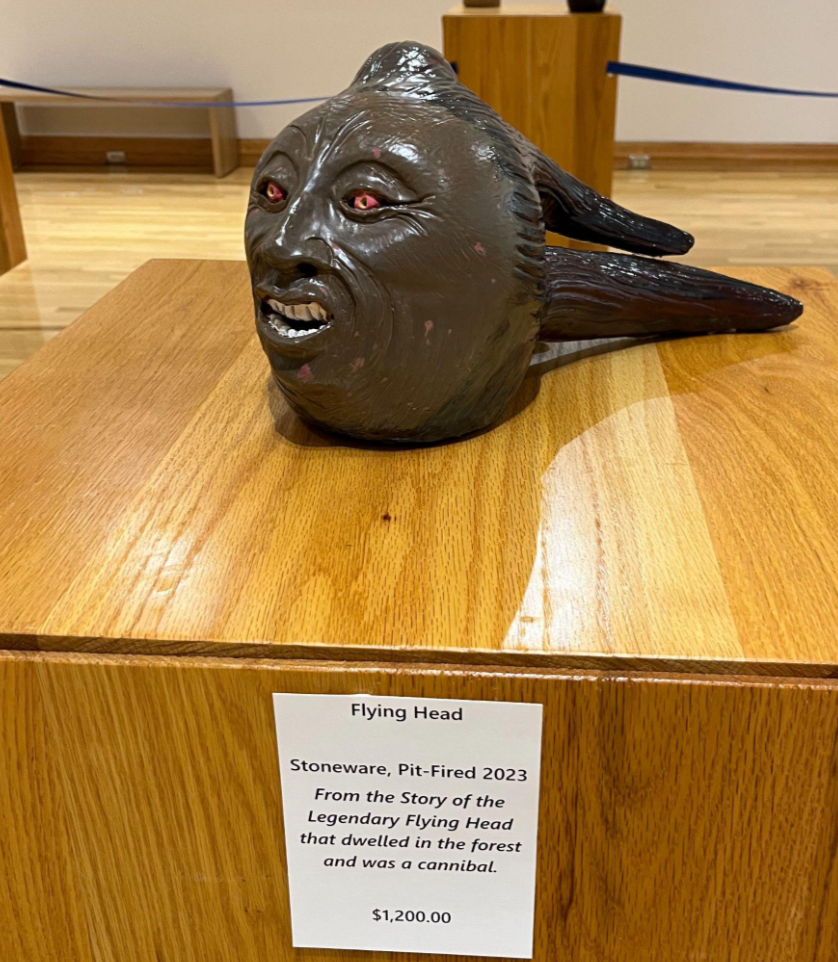
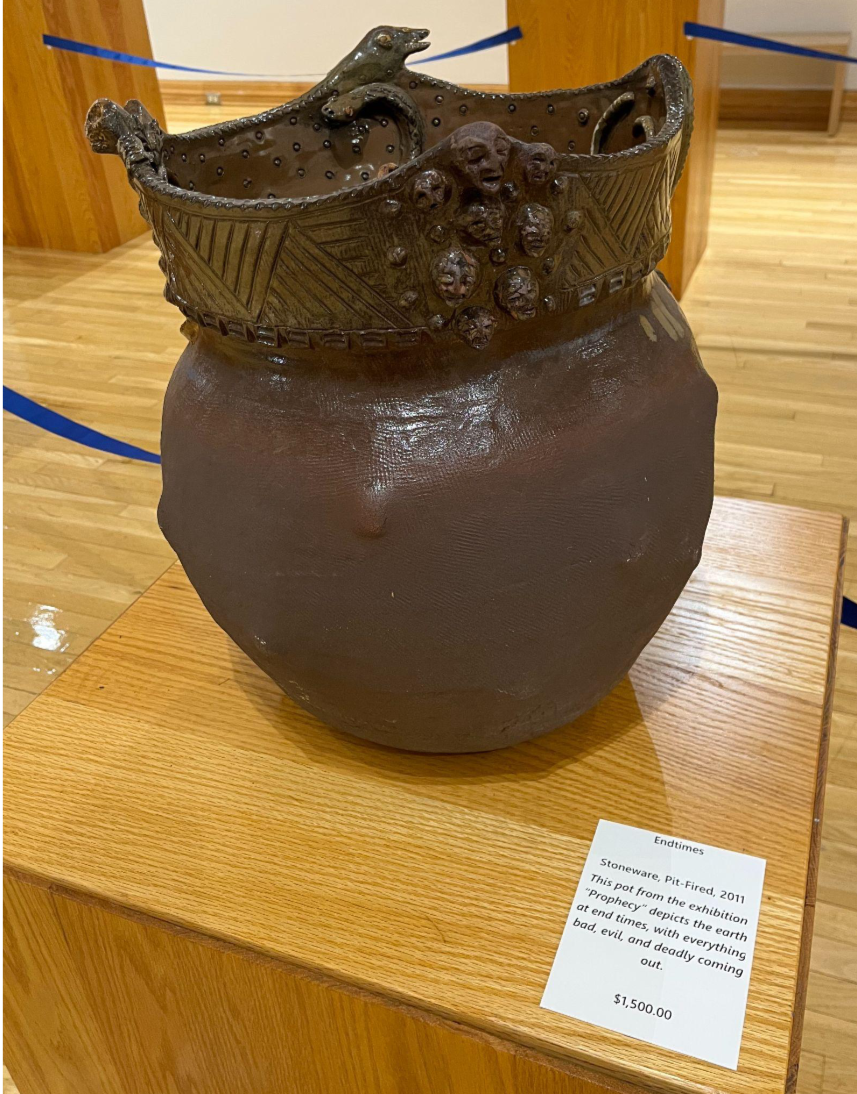
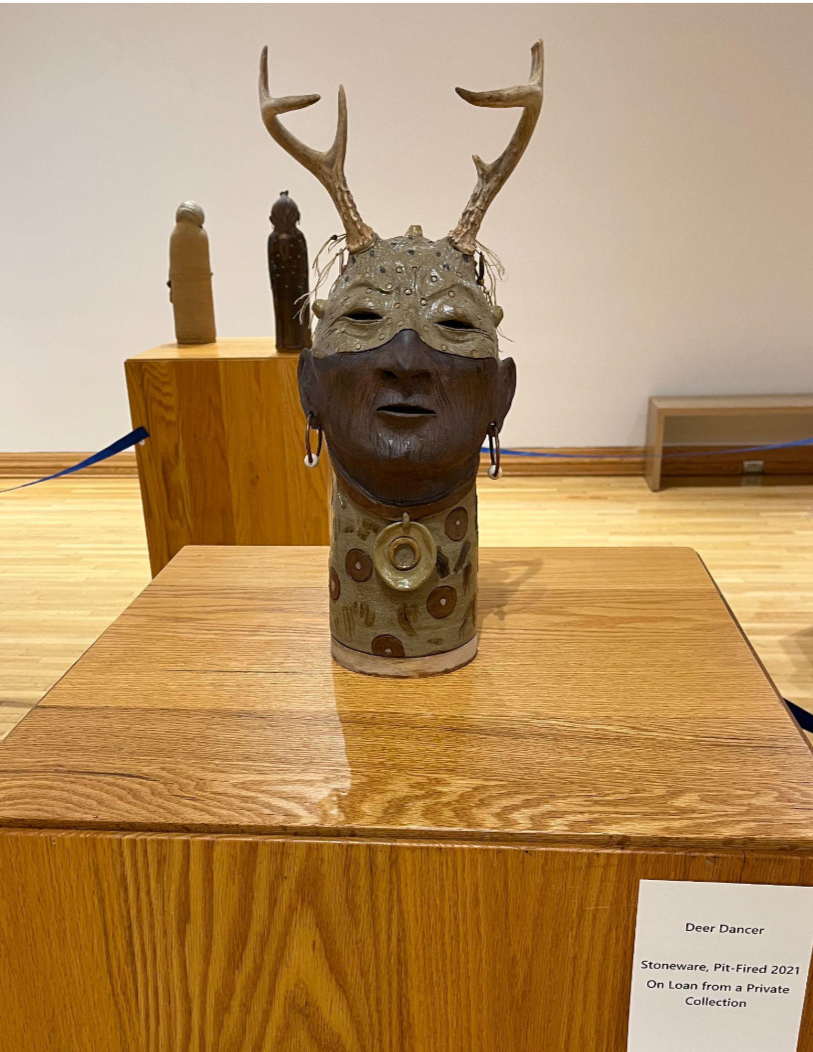
For this project I will create a series of at least 10 pots, sculptures, and figures using clay that has been harvested, processed, and pit fired on the Cattaraugus and Allegany Territories of the Seneca Nation of Indians. Over the ten-month period, I will gather clay from creek beds and other clay deposits on our territories. I will then process it by removing air, sand, gravel, and other impurities, and then add other materials back in if necessary to produce clay bodies viable for traditional pit firing methods. Natural clays have their own signature color, texture and feel, and the pieces I create will bring to the forefront not only our identity but the natural characteristics of our clay. A final public event will take place at the Onöhsagwë:de’ Cultural Center, which is home to the Seneca Iroquois National Museum, on the Allegany Territory.
Pottery is a way of life and it’s been my life for 60 something years. I want it to impact my community by familiarizing us with traditional pottery techniques and the ancestral language and knowledge embedded within those techniques. As we continue to reinvent ourselves as people, our pottery will look different, but whatever we are making will be Haudenosaunee pottery. We’re developing a whole new standard of pottery based on how we originally did things. If something happens where there’s no dishes left, I’d like to bring this back to the most basic. Although I’ve been able to make a living selling my pots and sculptures, I don’t want it to be a commodity. I’d like to see this naturally engrained in our culture again -- as something we need, as core to our language, traditions, and ceremony. If it’s done right and properly, it can help us to live in these times. I want us to be able to make a fire in the woods and make a pot.