Crystal Calabrese
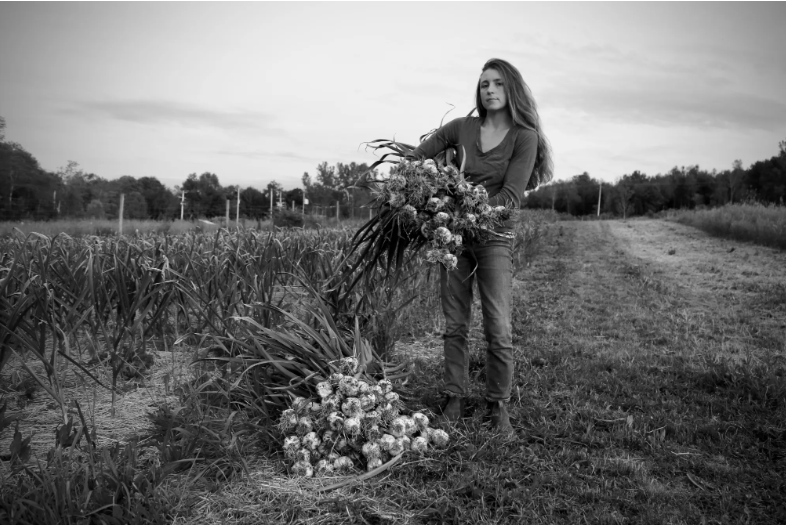
Crystal Calabrese is a multidisciplinary artist and farmer living in Brooktondale, a small rural community in the Finger Lakes region of New York. She uses analogy, alternative photographic processes to document small-scale agriculture and human relationship to place.
Her work centers on rural farmers and regenerative land stewardship at a time of climate instability and increasing disconnection from the natural world. By photographing land stewards in her community, she fosters dialogue about caring for the land for future generations while introducing neighbors to historic photographic processes and the value of preserving traditional art forms through continued practice.
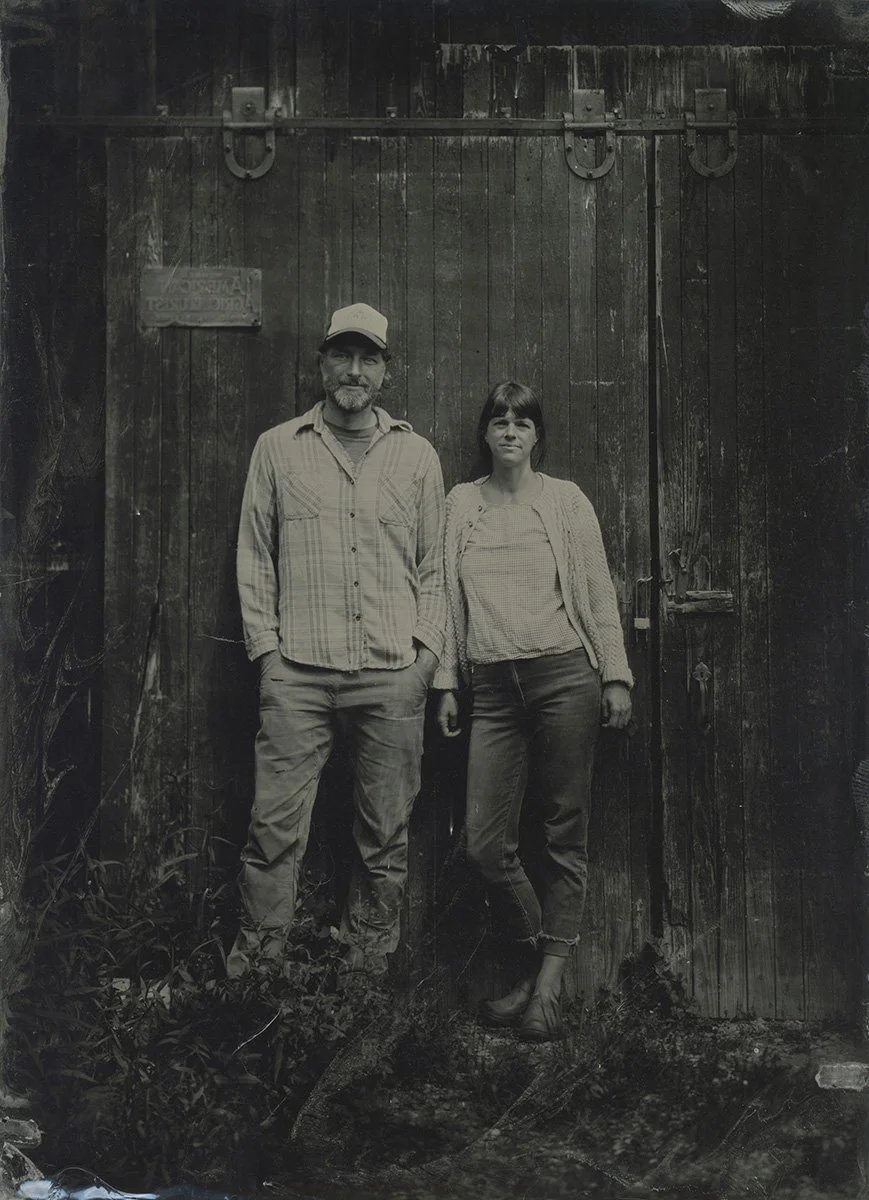
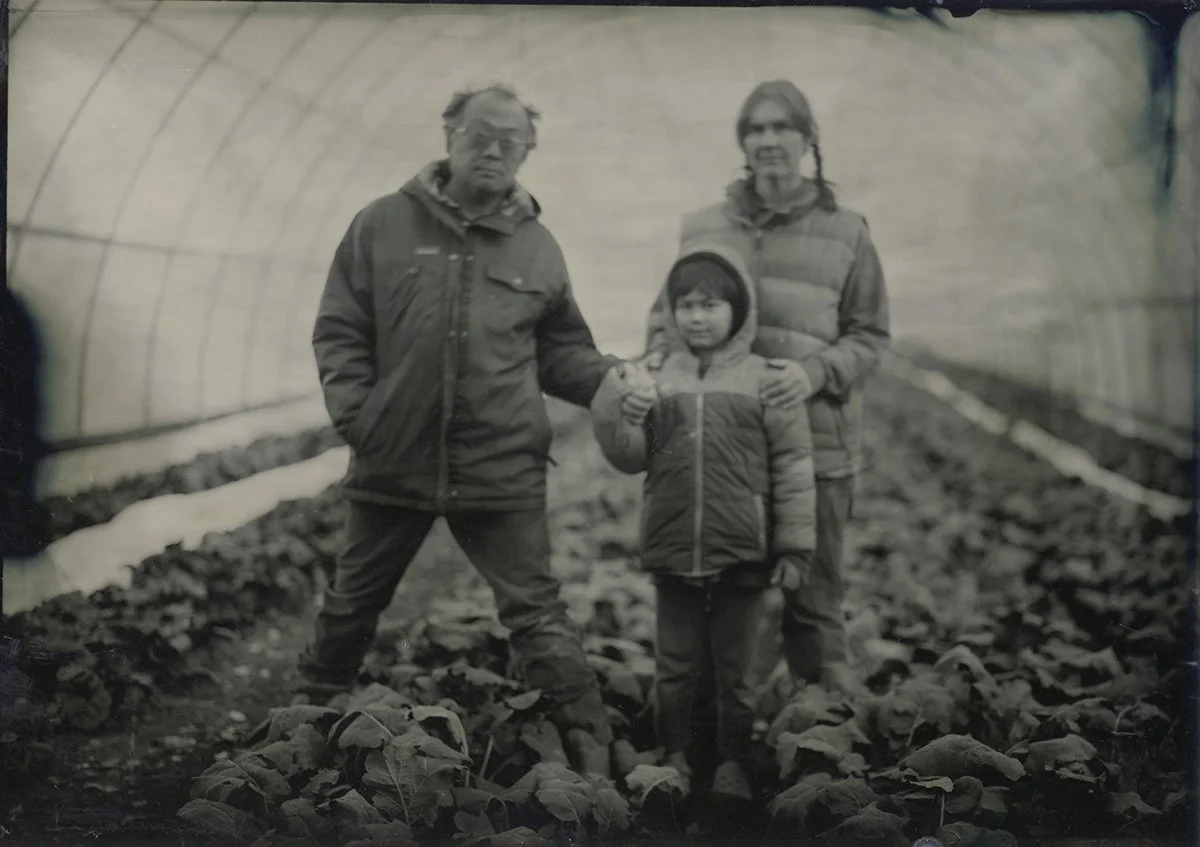
Crystal employs the historic wet plate collodion process to create her images. She handcrafts each photograph using chemistry she mixes herself, and develops the images on site in her mobile darkroom, resulting in one-of-a-kind, direct-positive photographs on metal and glass.
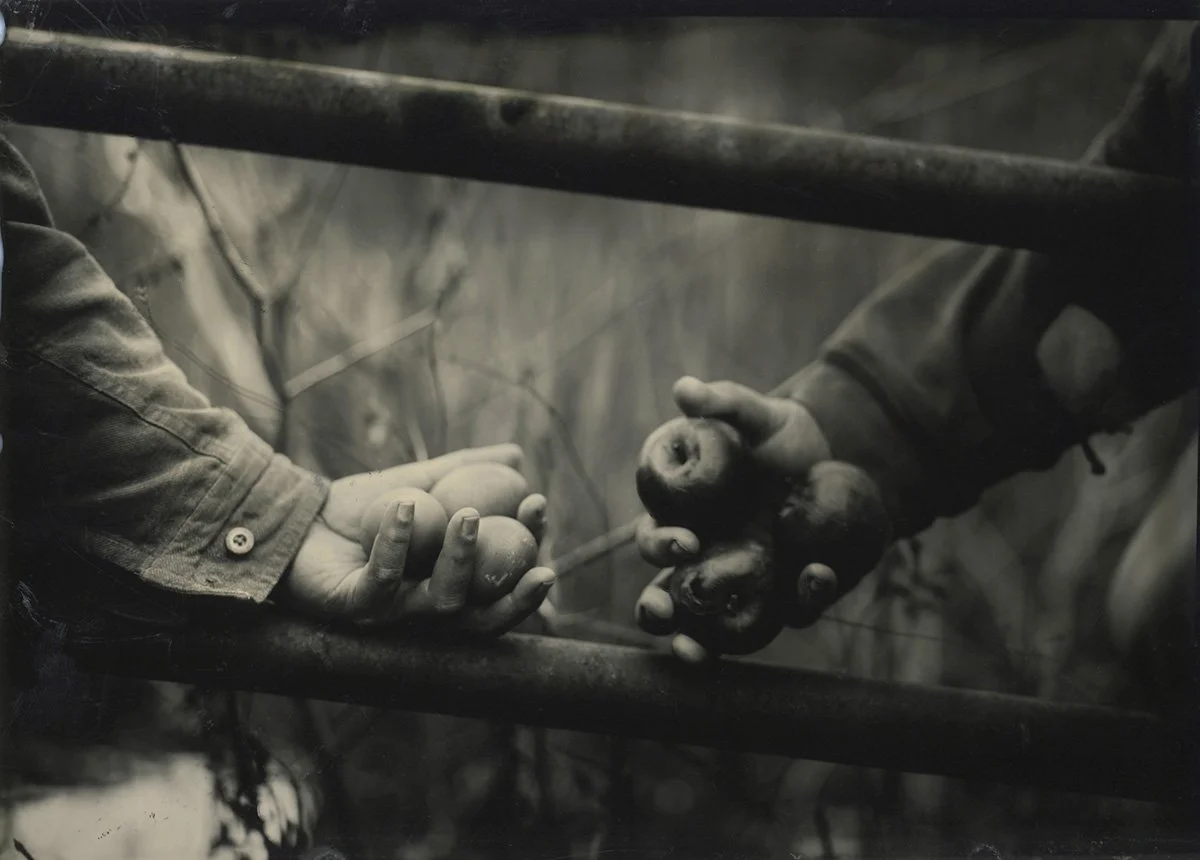
Crystal will create ferrotype photographs—also known as tintypes—using the historic wet plate collodion process, an antiquated direct-positive method that produces images on metal plates without a negative. She coats each plate by hand in my portable darkroom, expose it in an antique large-format bellows camera, and develop and fix the image before the chemistry dries. She uses both manufactured plates and hand-cut plates made from recycled metal cans, transforming discarded materials into enduring folk art objects.
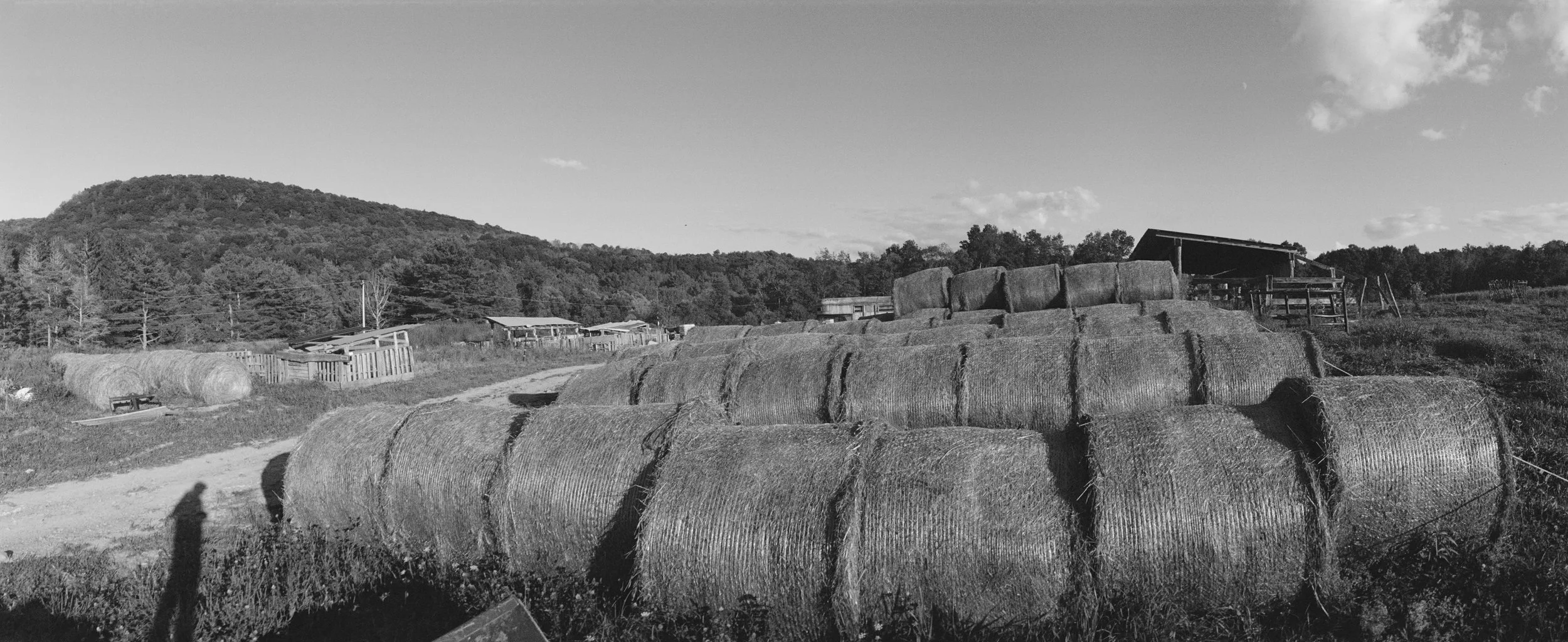
The resulting images are tactile, luminous, and archival, intended to last for generations. In addition to tintypes, Crystal will create 35mm panoramic photographs using a vintage swing-lens camera to capture sweeping views of farms and working landscapes. These images will situate individual portraits within the broader environment, emphasizing the relationship between people and place.
Community involvement is central to this project. Participants will actively collaborate in the portrait-making process, engaging with the slow, hands-on nature of wet plate photography. The act of being photographed becomes a shared experience—one that invites conversation about land use, stewardship, and legacy. By bringing farmers and land stewards into the artistic process, Crystal hopes to affirm that working the land is itself a form of art and cultural expression. The completed works will serve as both documentation and celebration: a visual archive of rural life in this region at this moment in time. Through this project, she aims to strengthen community bonds, foster dialogue about caring for the land, and create lasting artworks that honor the enduring relationship between people and place.
Learn more at http://crystalcalabrese.com and http://instagram.com/oldtimetintype/